
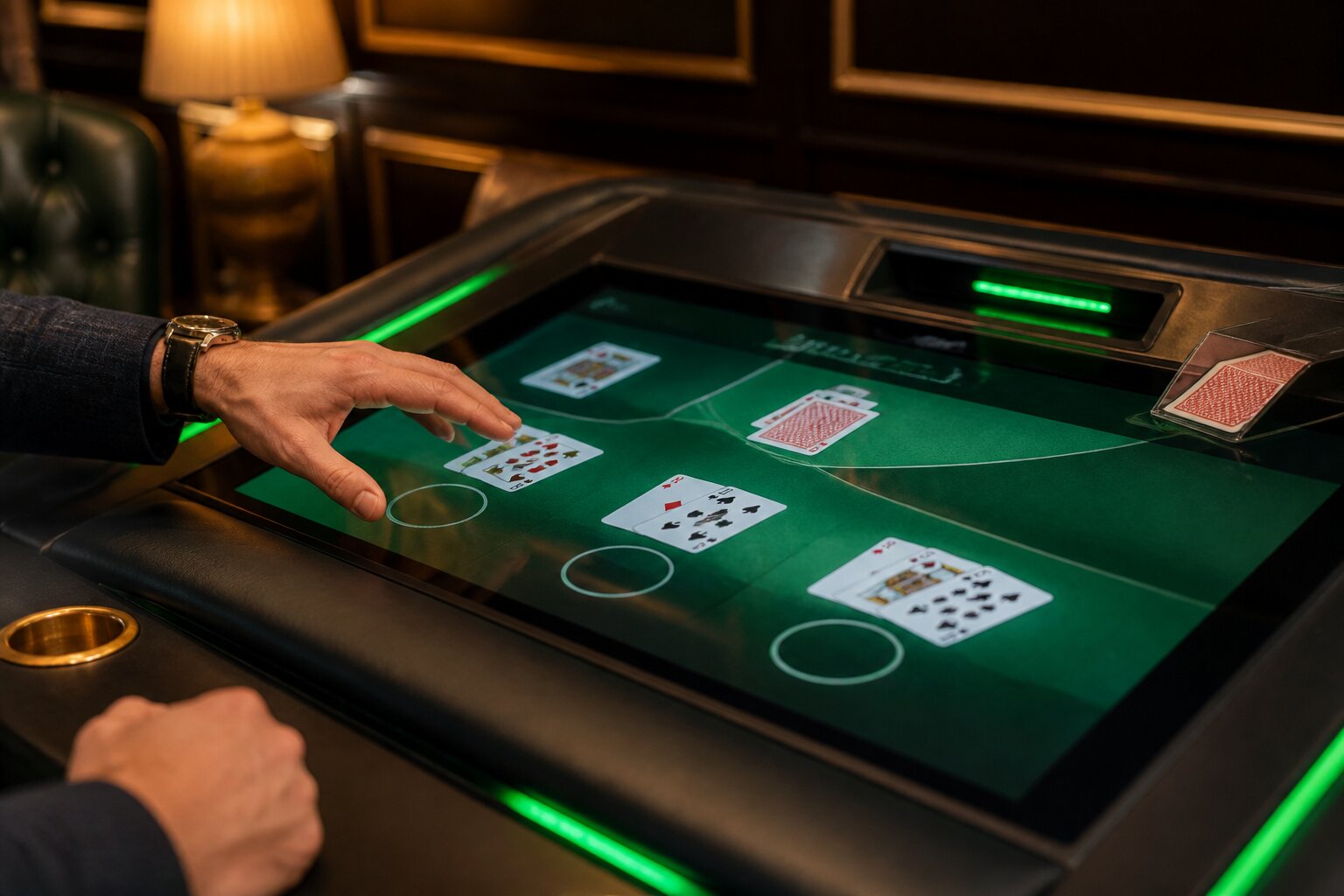
Electronic blackjack is everywhere these days, from online casinos to digital machines in high street venues. It promises quick games and the chance to enjoy classic blackjack without waiting for a seat at a live table.
But with so much happening behind the scenes—random number generators, algorithms and computer chips—you might wonder whether the game is fair and your information is safe. This article explains how electronic blackjack works, what standards govern it, and how to spot a reliable game so you can play with confidence.
Read on for a clear, practical guide to the technology, the regulation and the safeguards that matter when you choose an electronic blackjack game.
What Is Electronic Blackjack?
Electronic blackjack is the digital version of the casino card game. The rules and objectives are the same: build a hand as close to 21 as possible without going over, and compete against the house rather than other players.
The key difference is how cards are dealt. Instead of a live dealer handling a physical deck, the dealing is handled by software running on servers or dedicated gaming terminals. This software uses a random number generator (RNG) to determine which cards appear, and the user sees the result on a screen.
You’ll encounter electronic blackjack in several formats: browser-based games, mobile apps, and standalone terminals in venues. Developers design these versions to match the pace and options of traditional blackjack while taking advantage of digital convenience, such as quicker rounds and automated payouts.
How Do Electronic Blackjack Machines Work?
Electronic blackjack machines rely on a combination of software components to produce each hand. Central to this is the random number generator, which produces the sequence used to simulate shuffling and dealing.
The RNG operates continuously and outputs numbers that the game software maps to cards. Because this mapping is handled by code, the dealing is automated and there’s no human intervention in the outcome.
To protect integrity, operators commission independent testing laboratories to review the RNG and the overall software. These tests check that the generator behaves as expected over extensive trials and that the game applies the results correctly. Regular audits and updates form part of ongoing maintenance to keep systems secure and consistent.
Transparency about rules, payout percentages and game mechanics also forms part of how these systems are presented to players, helping you understand what to expect before you play.
Are Electronic Blackjack Games Rigged?
Concerns about rigging are common, but in regulated markets there are multiple safeguards to prevent manipulation. Licensed operators must use independently tested software and submit to regular audits that verify the honesty of outcomes. Random number generators and game logic are examined to ensure they behave as advertised.
If a provider were to alter results, it would risk heavy regulatory penalties and the loss of licence. That regulatory oversight creates a strong deterrent against tampering, and regulators have the power to impose fines, suspend operations or revoke licences if misconduct is found.
When assessing a game’s trustworthiness, rely on evidence rather than assumptions. Look for:
- clear licensing details from recognised authorities
- independent testing reports from accredited laboratories
- transparent terms and conditions and payout information
Together these signals show a game is operating under proper controls and oversight. If any of these elements are missing or unclear, treat the game with caution and consider choosing a better-documented alternative.
Understanding Random Number Generators
The random number generator is the technical heart of electronic blackjack. It produces unpredictable sequences that the game interprets as card draws, and the integrity of the RNG determines whether card distribution is fair.
Independent test houses put RNGs through statistical analyses to detect bias, patterns or repeatable sequences. They run millions of simulated hands to ensure card distributions match theoretical expectations and that the software treats each result appropriately.
Understanding this testing helps explain why RNGs are central to trust: their certification is the factual basis showing that outcomes are not being steered. That assurance relates to fairness, not to improving a player’s chances, because the RNG merely ensures each hand is determined without undue influence.
What Regulations Ensure Fairness And Safety?
Regulatory bodies set standards that operators must meet before they can offer electronic blackjack. These standards are designed so games run fairly and that operators act responsibly towards players. Independent oversight is a central part of that framework.
These standards typically require the following:
- independent testing of gaming software to verify randomness and correct behaviour
- regular audits of finances and compliance processes
- clear presentation of rules and payout information so players understand how games work
- measures to protect player data and funds, reducing the risk of loss or misuse
Regulation also requires operators to maintain transparent complaints procedures and to cooperate with oversight bodies when concerns arise. This means there must be a simple route for complaints, timely responses, and internal records that regulators can review. Together, these expectations create a framework intended to keep games honest and operators accountable.
Beyond game integrity, regulations set technical and support requirements to protect customers. These include:
- encryption and secure protocols for transactions and account access
- safeguards for personal and financial information held by operators
Regulators also mandate accessible channels for players to seek help or report concerns, including contact options and clear signposting to support services. These measures support overall consumer protection and help maintain public confidence in regulated electronic gaming.
Recognising Trusted And Licensed Casinos
When choosing where to play, check that the operator displays clear licensing information and makes test certificates or auditing summaries available. A trustworthy site will present its licence number and direct links to regulatory registers or testing bodies so you can verify credentials independently.
Secure payment options and clear contact details for customer support are further indicators of a reliable operator. Terms and conditions should explain game rules, payout policies and complaint procedures in language that’s easy to follow.
If any of these elements are missing or hard to find, it’s a sign to be cautious. Choosing an operator with transparent credentials reduces the chance of encountering problems and helps ensure the play environment meets expected standards.
How Can You Check The Reliability Of Electronic Blackjack?
There are several practical checks you can use to judge reliability before you play. First, confirm the operator’s licence and, where available, view reports from independent testing agencies that assess software and RNG performance.
You can also note the software provider behind the games; established suppliers are usually subject to their own audits and won’t supply to operators that fail basic standards. Look for clear game rules and payout information on the game screen or in the site’s help pages.
Be alert to warning signs such as hidden licence details, opaque terms, or unfamiliar payment methods with no clear consumer protections. If gameplay behaves inconsistently with published rules or the system provides no way to lodge a complaint, those are red flags to avoid that site.
Do Electronic And Live Blackjack Games Differ In Trustworthiness?
Both electronic and live dealer blackjack operate under the same regulatory expectations in the UK, though they use different technologies. Electronic versions depend on RNGs and software, while live dealer games use actual cards and human dealers streamed in real time.
Testing and oversight apply to both formats, each with its own technical checks: RNG certification for electronic games and hardware and process audits for live streams. As a result, trustworthiness tends to come down to the operator’s adherence to rules rather than whether a game is electronic or live.
Choice between the two formats is therefore a matter of personal preference—speed, convenience and the feel of the game—rather than a question of which is more reliable.
Dispelling Common Myths About Electronic Blackjack
A number of misconceptions circulate about electronic blackjack, often suggesting the games can be secretly altered or that players can spot exploitable patterns. In regulated markets, those claims rarely hold up because of the systematic testing and oversight applied to both software and operators.
Another frequent myth is that machines can change behaviour in response to a player’s results. Certified RNGs are tested to ensure independence between outcomes; past hands do not influence future draws. Independent testing and the regulatory framework are there to catch any deviation from those standards.
If you have concerns, the appropriate route is to review test reports or raise the issue with the operator’s support team and, if necessary, with an independent dispute resolution service or the regulator.
How To Report Suspected Unfairness In Electronic Blackjack
If you suspect unfairness, begin by contacting the operator’s customer support and explain the issue with as much detail as you can provide, such as timestamps, screenshots and the specific game involved. Reputable operators maintain a formal complaints process and will investigate.
If the response is unsatisfactory, escalate the matter to the operator’s nominated independent dispute resolution provider, who can review the case impartially. For broader regulatory concerns about an operator’s adherence to rules, you can bring the matter to the attention of the regulator, which monitors operators and can take enforcement action where necessary.
Keeping clear records and being specific about what happened helps all parties assess the situation efficiently. These reporting routes exist so problems can be examined and resolved, helping maintain confidence in the wider gaming environment.
If you ever feel uncertain about a game or an operator, pause and check their credentials or raise your concerns through the channels described — better to verify than to continue with doubts.
**The information provided in this blog is intended for educational purposes and should not be construed as betting advice or a guarantee of success. Always gamble responsibly.