
Ever wondered if getting the four corners on your bingo card is enough to bag a win? You’re not alone. With different games and changing rules, it can be tricky to know what counts as a winning pattern.
Whether you’re new to bingo or have played for years, a clear sense of the rules will help you spot valid wins and enjoy the game more. Read on as we explain common patterns, the role of four corners, and how checks are carried out so you know what to expect next time you play.
What Is the Four Corners Pattern in Bingo?
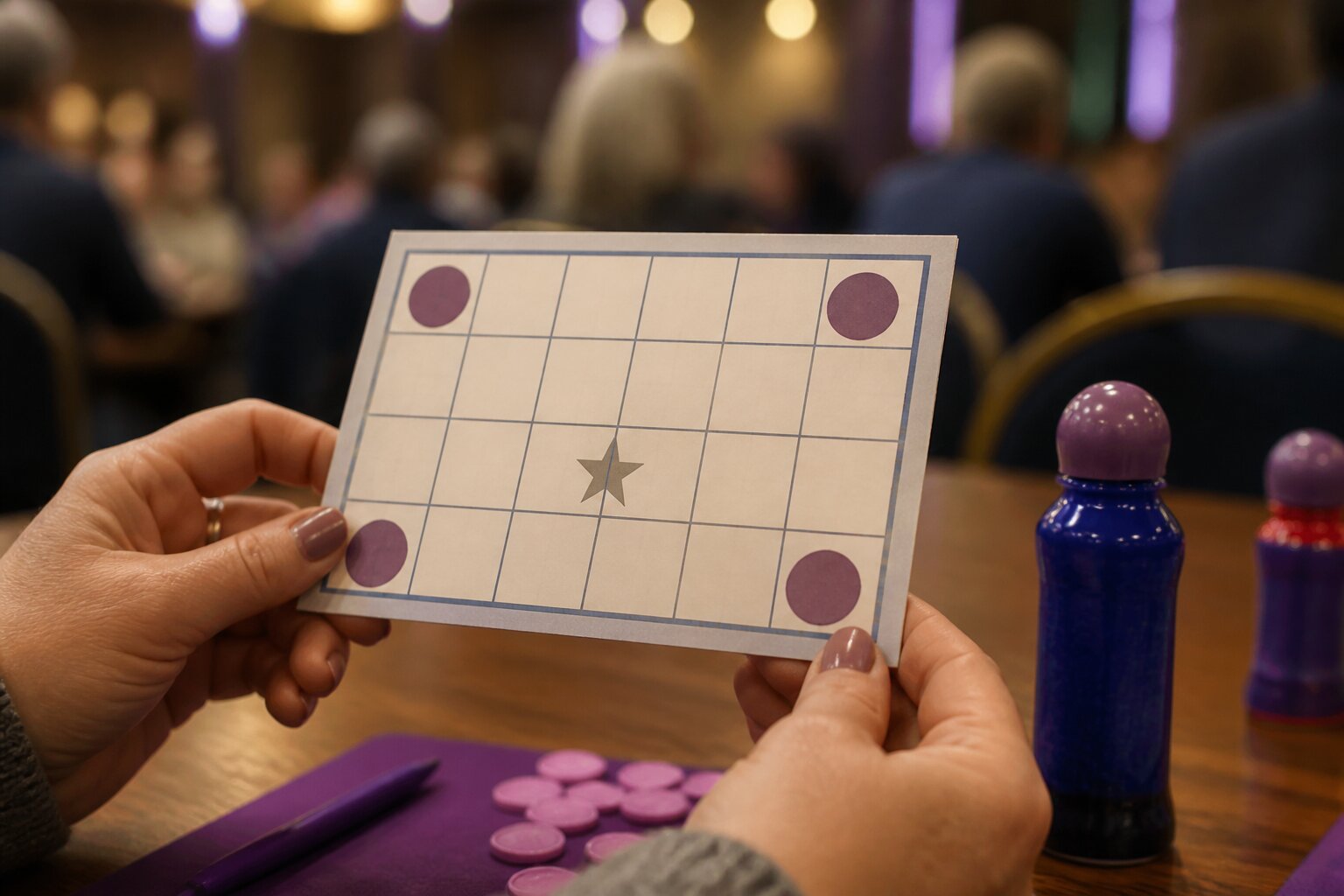
The Four Corners pattern is exactly what it sounds like: the four corner squares on a bingo card must be marked. That means the top-left, top-right, bottom-left and bottom-right boxes are the only ones that matter for this particular pattern.
It’s straightforward to spot on a card, which is why some games use it as a quick, easy prize. But not every session will include this pattern, so it’s important to know whether the game you’re in recognises it before you start marking numbers.
If Four Corners is in play, winning requires only those four spaces to be filled, regardless of what else is marked on the card. This simplicity is part of its appeal in certain social or promotional games.
Is Four Corners a Standard Winning Pattern in UK Bingo?
Four Corners is not typically a standard prize in the classic UK formats, which usually award prizes for a single line, two lines or a full house. That said, Four Corners does turn up in special rounds, community events and some online rooms where organisers vary the patterns to keep games interesting.
Because rules vary between venues and games, always check what’s announced for the session you’re joining. That way you won’t be surprised by an unexpected pattern or miss out on a prize simply because you assumed the wrong rules were in play.
Keep to a set budget and check the game details before you play so you know what you’re aiming for without repeating concerns about particular patterns.
How Do Bingo Rules Define Valid Winning Patterns?
Organisers set the valid winning patterns for each game and announce them before play begins. These can include simple lines, a full house, or special shapes depending on the event. The key point is clarity: the patterns in play must be stated up front so every player understands what will count as a win.
In halls and reputable online rooms, procedures are in place to make sure the announced patterns are applied consistently. That includes how wins are recognised and confirmed, and how any disputes are handled. Knowing the patterns and the verification process helps avoid misunderstandings during a session.
Understanding the announced rules is part of playing responsibly and enjoying the game with confidence.
Are Four Corners Accepted in All Bingo Variants?
No. Four Corners does not appear in every variant or every round. Traditional formats often omit it, while themed games or online specials may include it as a side win. Because formats and house rules can differ, you should not assume Four Corners will be available unless it is explicitly announced for that game.
If a game has multiple prize stages, Four Corners may be used as an early or secondary prize, but that depends on the organiser’s structure for that particular session.
How Is a Four Corners Win Verified?
When Four Corners is an accepted pattern, there’s a clear check process to confirm a win. In a hall, a player calls their claim and a member of staff inspects the card against the numbers that have been drawn. Officials look specifically at the four corner boxes to ensure they match the called numbers.
Online, the verification is generally automatic: the game software tracks the numbers on your card and flags any recognised winning pattern. The system then notifies you and processes the prize if the claim is valid.
Across both settings, verification aims to be transparent and prompt so the game can continue without delay once a claim is resolved.
Common Misconceptions About Bingo Winning Patterns
A frequent misunderstanding is that one pattern applies to every game. In truth, each session has its own announced patterns, and only those count. Another error is thinking players can choose their own winning pattern mid-game; changing the rules partway through a round would be invalid.
Some believe marking extra designs on a card increases their chances. Only the officially announced pattern matters in that round. And while complicated shapes can be eye-catching in special events, they do not alter the underlying process of how wins are checked and awarded.
Knowing these points helps you focus on what actually matters during play and reduces the chance of confusion when a game moves quickly.
Other Popular Bingo Winning Patterns Explained
There are several standard patterns to look out for in UK play:
- Single Line: a complete horizontal row. This frequently serves as the first prize in classic games.
- Two Lines: any two horizontal rows complete. Often a middle-tier prize.
- Full House: every number on the card is marked. This is typically the largest prize in many sessions.
- Diagonal Line: a complete diagonal from one corner to the opposite corner, but only when it has been declared for that game.
- Letter or Shape Patterns: organisers sometimes use letters such as L or T, or simple shapes for themed rounds.
Each pattern has its own appeal and place within a session, so spotting which ones are active helps you know what to look for as the game progresses.
What Happens If You Call Bingo on Four Corners by Mistake?
If you call a win for Four Corners when it is not an approved pattern, staff or the online system will check your claim. If the pattern isn’t valid for that round, the claim is not accepted and play continues. There’s no formal penalty for an honest mistake; the process is designed to clarify and move on quickly.
These moments are a useful reminder to confirm the announced patterns at the start of each game. Recent experience shows that players who listen for the opening announcement or glance at the session details tend to avoid such errors and feel more confident while playing.
Final note: check the rules for each game you join, keep your limits in mind, and enjoy the challenge of spotting the patterns as numbers are called.
**The information provided in this blog is intended for educational purposes and should not be construed as betting advice or a guarantee of success. Always gamble responsibly.