
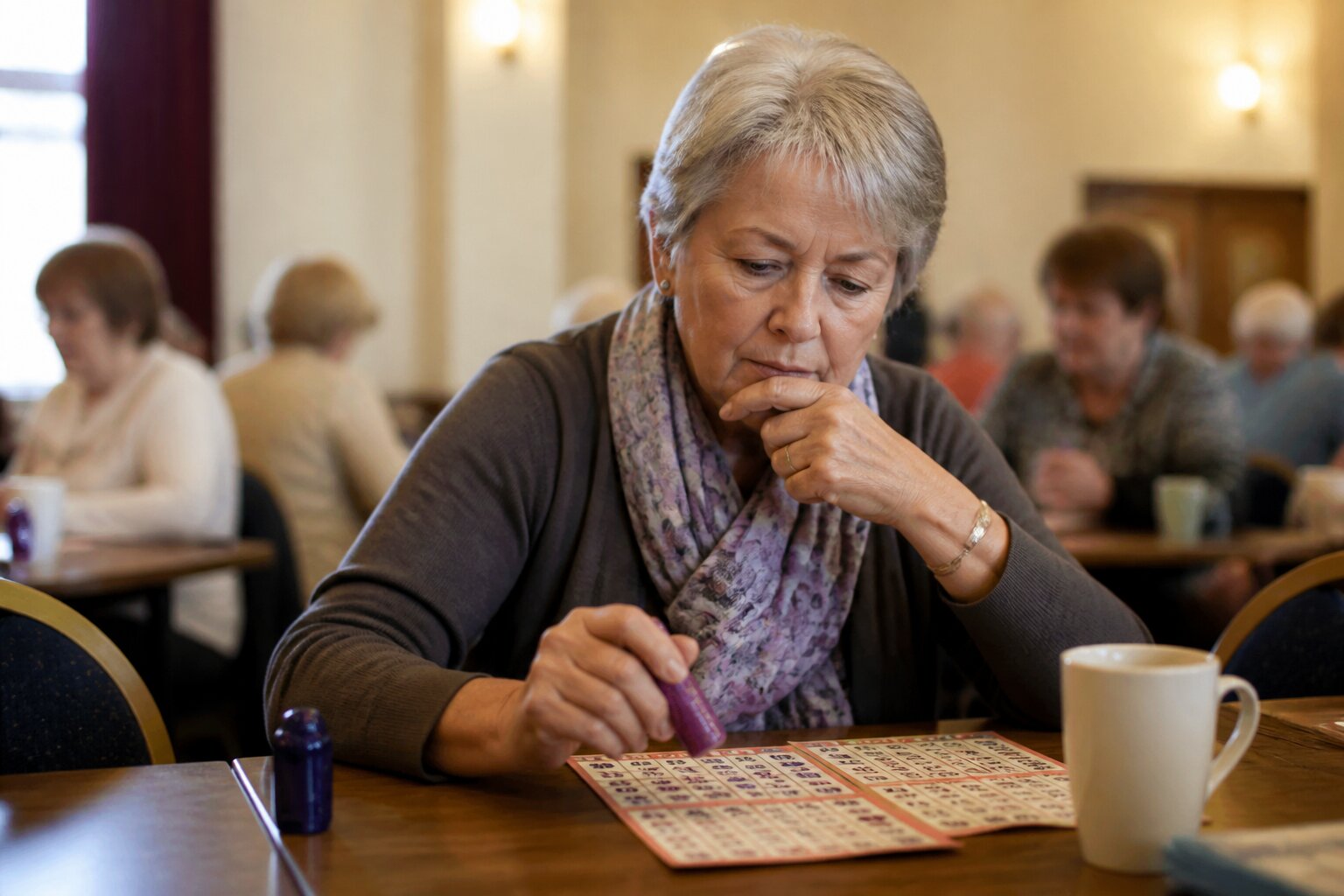
Bingo is a long-standing pastime in Britain, played in halls and online by many people. Its appeal comes from the bright buzz of number calls, the social atmosphere and the quick moments of anticipation when a win might be declared.
People often wonder whether bingo involves any real skill, or if outcomes are entirely down to chance. There are a few places where experience and choices affect the way you play, but those do not change the fundamental mechanics that decide winners.
Keep reading to explore what aspects of bingo involve player input, which parts are governed by randomness, and how common beliefs about the game stack up against the facts.
What Is Considered Skill in Traditional Bingo?
In traditional, paper-based bingo the main forms of skill are practical rather than strategic. Players need to stay attentive to the caller and mark numbers accurately; this matters most when someone is playing several cards at once. Good organisation—keeping cards visible and checking off numbers methodically—makes the session smoother and reduces the chance of simple mistakes.
There are small choices that affect your experience, too. For example, selecting how many cards to play in a session is a matter of personal style: more cards increase the workload and the chance of missing a call, so some players choose fewer cards to be able to follow the game comfortably. Savvy players also pace themselves across multiple games, balancing the cost of tickets against how many cards they can manage without errors.
None of these actions alter which numbers are drawn or the odds of a winning pattern appearing. The influence of skill in traditional bingo is limited to how well you can participate and avoid errors, not to altering outcomes.
To see how those practical differences change when the game moves online, read on to the next section.
How Does Skill Influence Online Bingo?
Online bingo removes most of the manual tasks that require attention in halls. Software typically marks numbers automatically, and many rooms offer auto-dab or auto-play features that handle multiple cards for you. That makes the experience simpler and reduces the need for fast reactions.
The digital environment introduces other elements, however. Players choose game formats, stake levels and whether to participate in chat rooms or private lobbies. These choices shape how you engage with the game but do not change the underlying process that selects winning numbers. Some players use features such as ticket bundles or different pattern types to suit their budget and play style, which affects enjoyment and session length rather than winning probabilities.
Online systems are regulated to ensure fair draws and consistent behaviour across accounts. The result is a level playing field in terms of chance, while the user interface and options influence comfort and convenience rather than the result itself.
Is Bingo Pure Chance or Is There an Element of Skill?
Bingo is principally a game determined by random draws. Numbers are selected by mechanical or software-based processes designed to produce unpredictable sequences. Regulators oversee these processes to ensure they are fair and transparent, so no participant can influence which numbers appear.
That does not mean players have no role. As noted earlier, choices about how many cards to play or which sessions to join affect how many opportunities you have to match a winning pattern. Those are choices about exposure, not control over the draw. Experience can help a player avoid errors or pick a game format that fits their budget and attention span, but it cannot increase the statistical probability that any given card will complete a pattern.
Understanding this balance between player behaviour and the randomness of draws helps set realistic expectations: you can control how you play, but not the outcome of the numbers themselves.
Common Myths About Skill in Bingo
A number of persistent myths suggest skill can tilt bingo in a player’s favour. One is that long-time players somehow gain an edge; in truth, familiarity helps with comfort and speed, but not with changing draw outcomes. Another myth is that certain seating positions or routines influence results; such practices may be traditions or superstitions, but they do not affect the mechanics of the game.
Stories about “hot” or “cold” cards also circulate, implying patterns in past draws predict future ones. Because draws are independent events governed by the same distribution each time, historical frequency does not give reliable predictive power. Similarly, schemes claiming to select the “best” cards misunderstand how tickets are produced and distributed; cards are generated and allotted in ways intended to maintain randomness.
Separating these myths from fact makes it easier to focus on the enjoyable parts of the game without chasing ineffective techniques.
If you’re wondering why some people still appear to win more, the next section explains the statistics behind those impressions.
Why Do Some Players Seem to Win More Often?
Perception plays a big role in why certain players seem to win frequently. Players who enter more games or buy more tickets naturally have greater exposure to potential wins; this raises their absolute number of wins over time, even though the chance per ticket remains the same. Similarly, those who play very often will sometimes accumulate more wins simply because of the larger number of draws they participate in.
Another factor is selective memory: notable wins stand out, while the many sessions without prizes are easier to forget. Variance is also part of the picture. In any random process, clusters of wins or losses can occur by chance alone, giving the impression of a pattern where none exists.
Understanding these statistical effects clarifies that apparent winning streaks are usually the result of frequency and variance rather than a reproducible skill.
The Role of Focus and Observation in Bingo Games
Focus and careful observation improve the immediate quality of play. In halls, being attentive reduces mis-marked cards and missed calls; online, monitoring chat and game alerts keeps players involved and ensures they notice automated wins or messages. For players who enjoy the social and communal aspects, being present and responsive increases satisfaction.
Attention also helps with practical decisions: choosing how many cards to play, deciding when to join or leave a session, and managing a bankroll across sessions. These are sensible controls that help shape a better, more sustainable experience.
None of these attentional benefits alter draw mechanics, but they do enhance how effectively a player participates and enjoys the game.
You may now be wondering how bingo compares to games where player choices matter more — the next section covers that comparison.
How Does Bingo Compare to Other Games of Skill?
Compared with games such as poker or blackjack, bingo offers far fewer decision points that influence outcomes. Poker and blackjack require ongoing choices — about betting, folding, drawing or doubling — and skilled players can influence results through strategy, probability assessment and opponent reading. Those games mix chance with a meaningful strategic component.
Bingo’s player input is mostly limited to selecting how many cards to play and which sessions to join. There is no decision during a round that changes the probabilities of future draws. That distinction is why regulators and operators commonly treat bingo as a game of chance rather than one of skill.
Recognising that difference helps set expectations: where strategy can shift outcomes in some games, bingo rewards attentiveness and good session management without offering a lever to change the draw itself.
Can You Improve Your Bingo Game With Practice?
Practice changes familiarity and confidence. Learning the rules, common patterns and the rhythm of sessions makes the experience smoother, especially for newcomers. Practised players are less likely to misread a pattern or miss a call, so practice does pay off for comfort and accuracy.
That said, practice does not alter the statistical likelihood of a ticket completing a winning pattern. The benefit of practice lies in reducing errors, choosing session sizes that match your capacity to follow multiple cards, and managing budgets so play remains enjoyable over time.
If you want to improve how you play, focus on selecting formats that suit your attention and finances, and on using any responsible-play tools the platform offers to keep sessions proportionate. With those measures in place, practice enhances the experience without changing the underlying odds.
To wrap up: bingo offers simple, hands-on participation and social engagement, with player choices shaping experience rather than outcomes. If you enjoy the interaction and format, play within limits and make decisions that suit your own pace and budget.
**The information provided in this blog is intended for educational purposes and should not be construed as betting advice or a guarantee of success. Always gamble responsibly.