
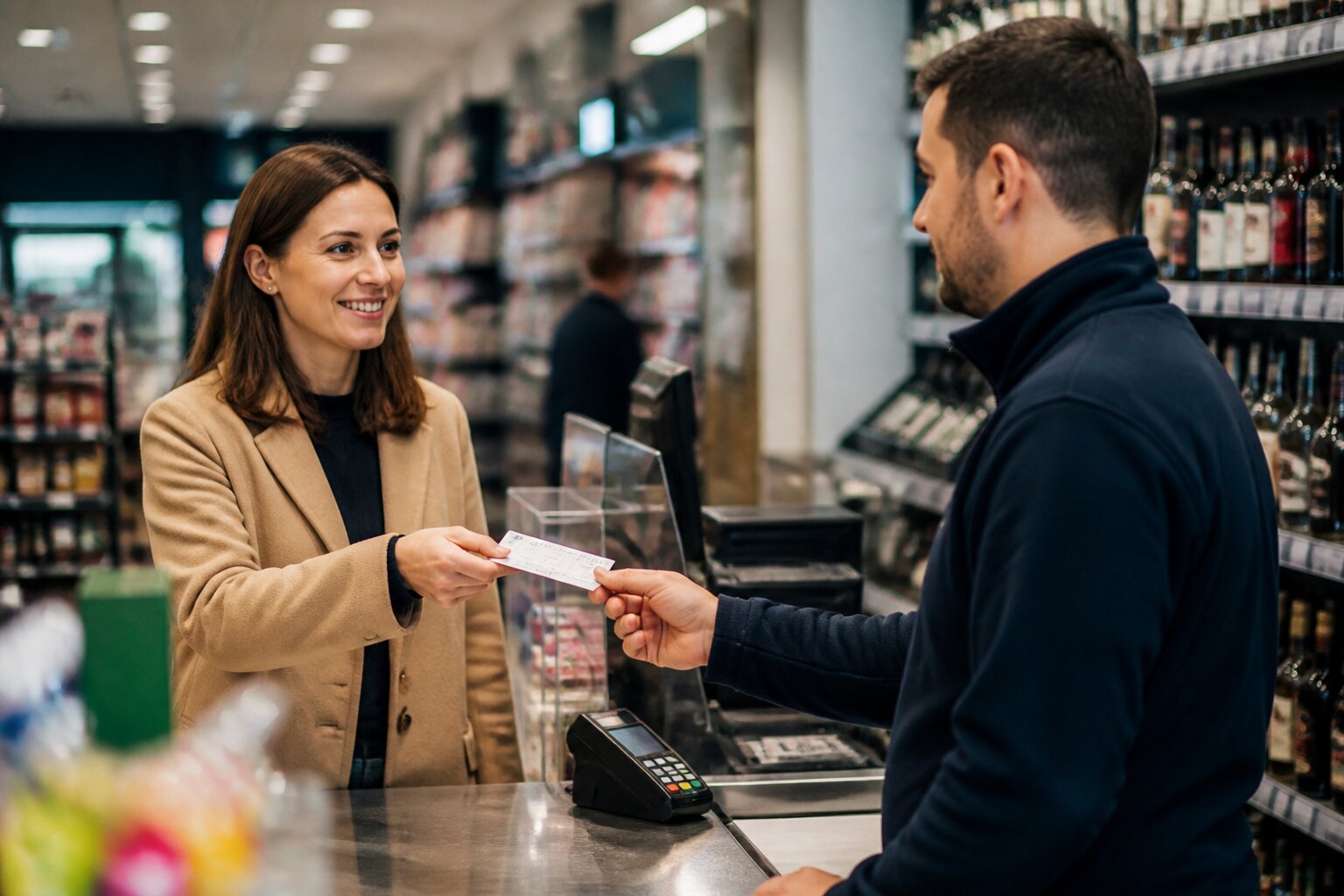
There was a time when buying a lottery ticket was part of the weekly routine: a quick stop at the newsagent, a marked play slip and a printed ticket in your hand. That ritual still exists in many places, even as online options have grown.
This article explains what you can still buy in shops, where it’s available, and what to expect when you go to make a purchase. Read on for the practical details you need before heading out.
What Types of Lottery Tickets Can You Buy In Stores?
In most UK shops you can buy the main National Lottery draw tickets such as Lotto and Thunderball. You can either pick numbers on a play slip or ask for a random selection. EuroMillions tickets are also widely sold at newsagents, supermarkets and convenience stores for those who want to enter the larger international draws.
Scratchcards are commonly available at the counter in a range of prices and themes. These are distributed centrally and approved for sale in shops; age checks apply at the point of purchase. In some areas you may encounter local charity raffles or other licensed draws, though availability varies from shop to shop.
All in-store lottery products are regulated and sold only to adults, so you can buy with confidence at authorised retailers. If you want to know how buying in shops actually works, the next section explains availability across the country.
Are In-Store Lottery Sales Still Available Everywhere?
In-store sales remain widespread across the UK, but the exact mix of products differs by location. Urban areas generally offer the full range of draw tickets and scratchcards, while smaller or rural retailers might carry a more limited selection. Store opening hours, local licensing and retailer decisions can also affect what’s on offer.
Retailers must follow rules set by the regulator, and regular checks help ensure those standards are met. There are occasional interruptions: technical faults, short-term shop closures, or national events can temporarily halt sales. If you’re unsure, a quick call to your local shop will confirm whether they have the tickets you want.
Knowing where products are available helps when planning a visit; next, the article covers what happens when you actually buy a ticket in a shop.
How to Buy Lottery Tickets in UK Shops
Buying a ticket in person is straightforward. Visit a licensed retailer, ask at the counter for the draw you want or choose a scratchcard from the display. For draw tickets, fill out a play slip with your chosen numbers or request a random selection; hand this to the cashier who will print your ticket after payment.
You must be at least 18 to buy any lottery product, and staff may ask for photographic ID if you appear under 25. Keep your ticket safe because you will need it to claim any prize. It is sensible to set a personal spending limit before you go and to stick to it, so playing remains an ordinary leisure activity rather than a financial pressure.
With the buying routine covered, the next section outlines identification requirements and how retailers operate age checks.
What Identification or Age Restrictions Apply?
The legal minimum age to purchase lottery tickets and scratchcards in the UK is 18. Retailers commonly follow a Challenge 25 approach, so anyone who appears to be under 25 will be asked to provide ID. Typical acceptable forms of identification are a passport, driving licence or a government-issued proof of age card.
Staff receive training on age verification and sales policies to prevent underage purchases. They are taught to request ID, to refuse a sale if acceptable identification is not produced, and to record incidents where they suspect a customer is underage. These checks form part of wider protections designed to keep play legal and appropriate and to ensure retailers meet their regulatory obligations.
Checks may also occur at different stages, for example when claiming a large prize, and staff may ask for further proof of identity at that point. Retailers must also have procedures for refusing sales and for escalating concerns, including contacting supervisors or the licence holder where necessary.
After you have your ticket, the following section explains the safeguards around buying in-store.
Is Buying Lottery Tickets In-Store Still Safe?
Buying tickets at authorised retailers is a secure process. Licensed sellers operate under regulatory standards that govern how games are displayed and sold, how transactions are recorded, and how staff carry out age checks and verify identity when required. The presence of these controls helps reduce fraud and ensures that tickets sold are genuine and traceable.
A printed ticket provides a clear record of purchase and is necessary for claiming prizes. Keep your ticket safe and store it somewhere dry and secure, as a lost or damaged ticket can make it harder to claim any prize. Check the back of the ticket for validation information and any instructions the retailer provides at the time of sale.
Be mindful of retailer limits on payout amounts and their procedures for handling larger wins, as some prizes may require a visit to a prize centre or an online claim. Setting sensible spending controls and treating lottery play as occasional entertainment helps keep it a low-risk pastime and aligns with responsible gambling guidance. Knowing how payouts work will help if you discover you have a winner, which is covered next.
Online vs In-Store Lottery Purchases: Which Is Better?
Both in-store and online purchases are legal and regulated in the UK; the best choice depends on what suits an individual. Buying in a shop gives immediate possession of a physical ticket and can fit easily into errands where cash is used. It also offers face-to-face assistance from staff when questions arise.
Online purchases provide convenience outside shop hours and remove the need to keep a paper ticket, as many services hold entries electronically. However, online account setups, payment details and digital identity checks are part of that convenience. Practical considerations such as how you prefer to pay, whether you want automatic subscriptions and how you like to keep records will influence which option is more suitable.
Either route requires attention to responsible play limits and clear record-keeping. With that in mind, the next section addresses some common misconceptions you may encounter about buying tickets in shops.
Common Myths About Buying Lottery Tickets In Shops
A number of myths circulate about in-store ticket sales. One frequent belief is that certain shops sell more winners than others. In reality, distribution of winning tickets is not concentrated in particular outlets; prizes are mixed across retailers as part of standard distribution.
Another misconception is that buying at specific times or keeping tickets in a special place affects outcomes. Draws are independent events and tickets are issued in the same way regardless of timing or storage. Routine, such as playing the same numbers over time, is a personal choice but has no effect on future draws.
Understanding how draws and ticket distribution work removes these myths and helps set realistic expectations. If you do win, it’s helpful to know the practical process for claiming prizes, which the following two sections explain.
Claiming Smaller Prizes
For lower-value wins, many retailers can pay out immediately. Present your ticket to the cashier, who will scan it and, if the amount is within their payout limit, give you the cash. Retailers set their own limits, so very small wins are usually paid at the point of sale while larger small wins may require you to visit a designated payout location. Be aware that some outlets may ask for proof of identity for certain amounts, and staff can refuse payment for tickets that are damaged, illegible or appear altered.
Always check the ticket carefully and keep it secure until the prize is collected. Make a note of any claim deadlines shown on the ticket or in the game rules, as prizes must be claimed within the operator’s stipulated timeframe. Being familiar with where to claim and the retailer’s procedures helps ensure a smooth process when a win occurs.
Larger or Jackpot Prizes
High-value prizes must be claimed through the official lottery payout processes. A claim typically involves submitting the signed ticket and completing a claim form, after which identity and security checks take place. For substantial sums there may be meetings to confirm details and to arrange payment.
Prizes must be claimed within the specified time limits, so it is wise to act promptly and follow the official guidance. Managing any significant prize thoughtfully and seeking professional advice on financial and legal matters is recommended to ensure the prize is handled securely and in your best interests.
**The information provided in this blog is intended for educational purposes and should not be construed as betting advice or a guarantee of success. Always gamble responsibly.